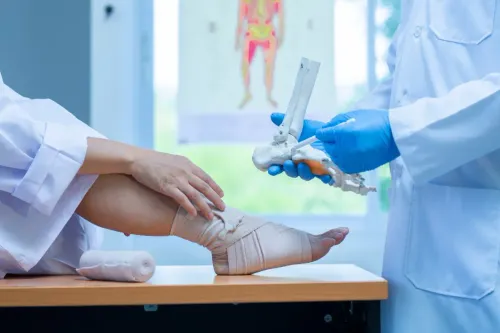


A fracture can occur after a fall, sports injury, road accident, or direct impact. Some fractures cause immediate deformity and severe pain, while others may initially feel like a sprain. Understanding the treatment process helps patients avoid delayed care and make informed decisions about recovery.
Fracture treatment in Jaipur usually begins with a clinical examination. The orthopaedic specialist checks the injured area for swelling, tenderness, wounds, deformity, movement restrictions, and possible nerve or blood vessel damage. X-rays are commonly used to identify the location and pattern of the break. CT or MRI scans may be advised when the fracture involves a joint, spine, or complex anatomical area.
Does Every Fracture Require Surgery?
No. Treatment depends on the bone involved, fracture alignment, stability, age, activity level, and whether the skin has been broken.
Common treatment options include:
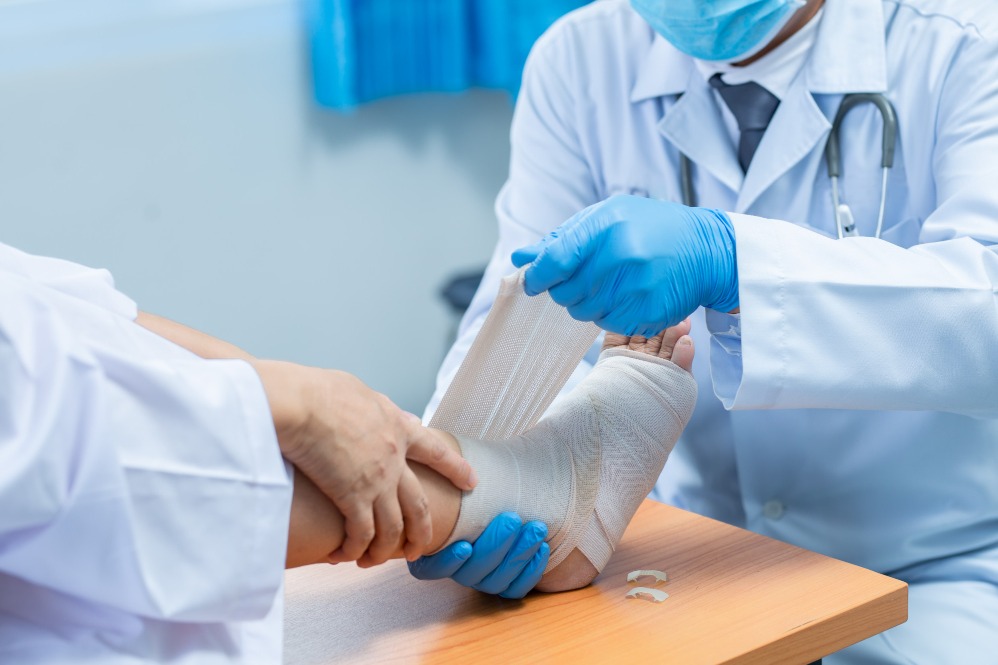
- A splint, cast, or brace to restrict movement and maintain alignment
- Closed reduction to reposition displaced bone without an incision
- Surgical fixation using plates, screws, rods, nails, or wires
- Wound cleaning and urgent stabilisation for an open fracture
- Physiotherapy after sufficient healing to restore movement and strength
A simple, stable fracture may heal successfully with immobilisation. Surgery may be considered when the bone fragments are significantly displaced, the fracture extends into a joint, the injury is unstable, or proper alignment cannot be maintained in a cast.
Warning Signs That Need Prompt Assessment
Seek orthopaedic attention when an injury causes:
- Inability to stand, walk, or use the affected limb
- Visible deformity or bone exposed through a wound
- Increasing swelling, severe pain, or unusual movement
- Numbness, weakness, pale skin, or cold fingers and toes
- Persistent pain despite rest and basic first aid
Until medical care is available, avoid straightening or repeatedly moving the injured limb. Support it in the position found, control visible bleeding with gentle pressure around the wound, and avoid food or drink if emergency surgery might be necessary.
Bone healing can take several weeks or months. Recovery is affected by fracture severity, blood supply, nutrition, smoking, diabetes, age, and adherence to weight-bearing restrictions. Follow-up X-rays help determine whether alignment is maintained and healing is progressing.
Dr. Chirag Jain evaluates fractures with attention to alignment, stability, soft-tissue damage, and future limb function. Patients in Jaipur and nearby areas of Rajasthan can arrange an assessment when pain, swelling, or difficulty using a limb continues after an injury. Early diagnosis can prevent an apparently minor fracture from becoming a longer-term mobility problem.